




Blogs
Framework Laptop 13 and 13 Pro: What’s New in 2026

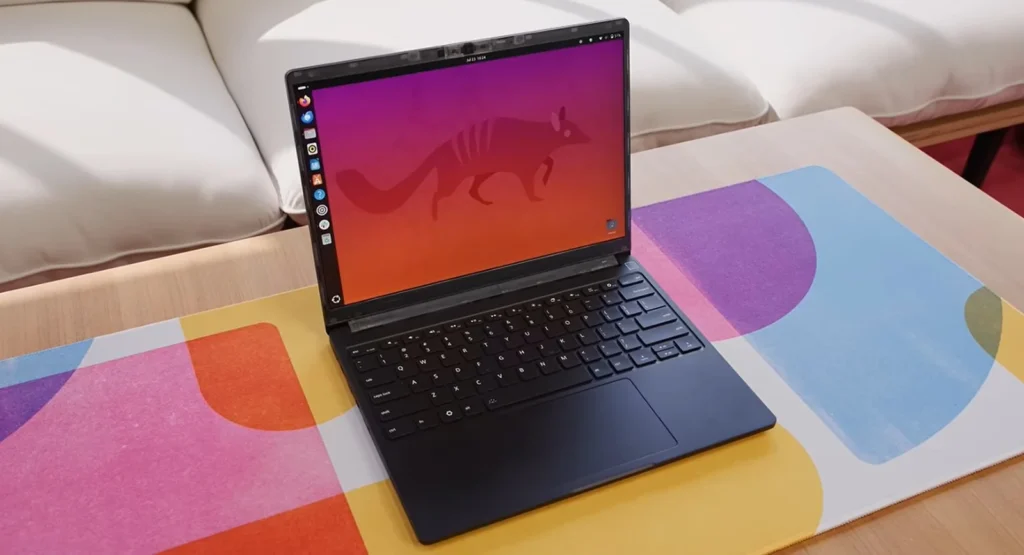
Framework has spent the last few years building a reputation as the "repairable laptop" company, with modular parts, swappable ports and a promise that you will never need to throw the whole machine away for one dead component. In 2026, the company pushed that idea further than ever with two major updates: a ground-up redesign called the Framework Laptop 13 Pro, and a refreshed standard Framework Laptop 13 with new Intel chips. Here's what changed and who it is for.
Framework Laptop 13 Pro: The Flagship Gets a Real Redesign
Announced on April 21, 2026 at Framework's "Next Gen" event in San Francisco, the Laptop 13 Pro isn't a spec bump, it's a new chassis built from scratch. Every generation before this one used the same functional-but-plain body. The Pro switches to a machined aluminum chassis, just under 16mm thin and 1.4kg, finished in a graphite/anodized-black colorway. Reviewers who called earlier Framework laptops "flexy" and "budget-feeling" are, for the first time, using words like "premium Ultrabook" to describe it.
Key Specs
- Processor: Intel Core Ultra Series 3 ("Panther Lake"), choice of Core Ultra 5 325H, Ultra X7 358H, or Ultra X9. An AMD Ryzen AI 9 HX 370 mainboard is also offered for buyers who prefer AMD.
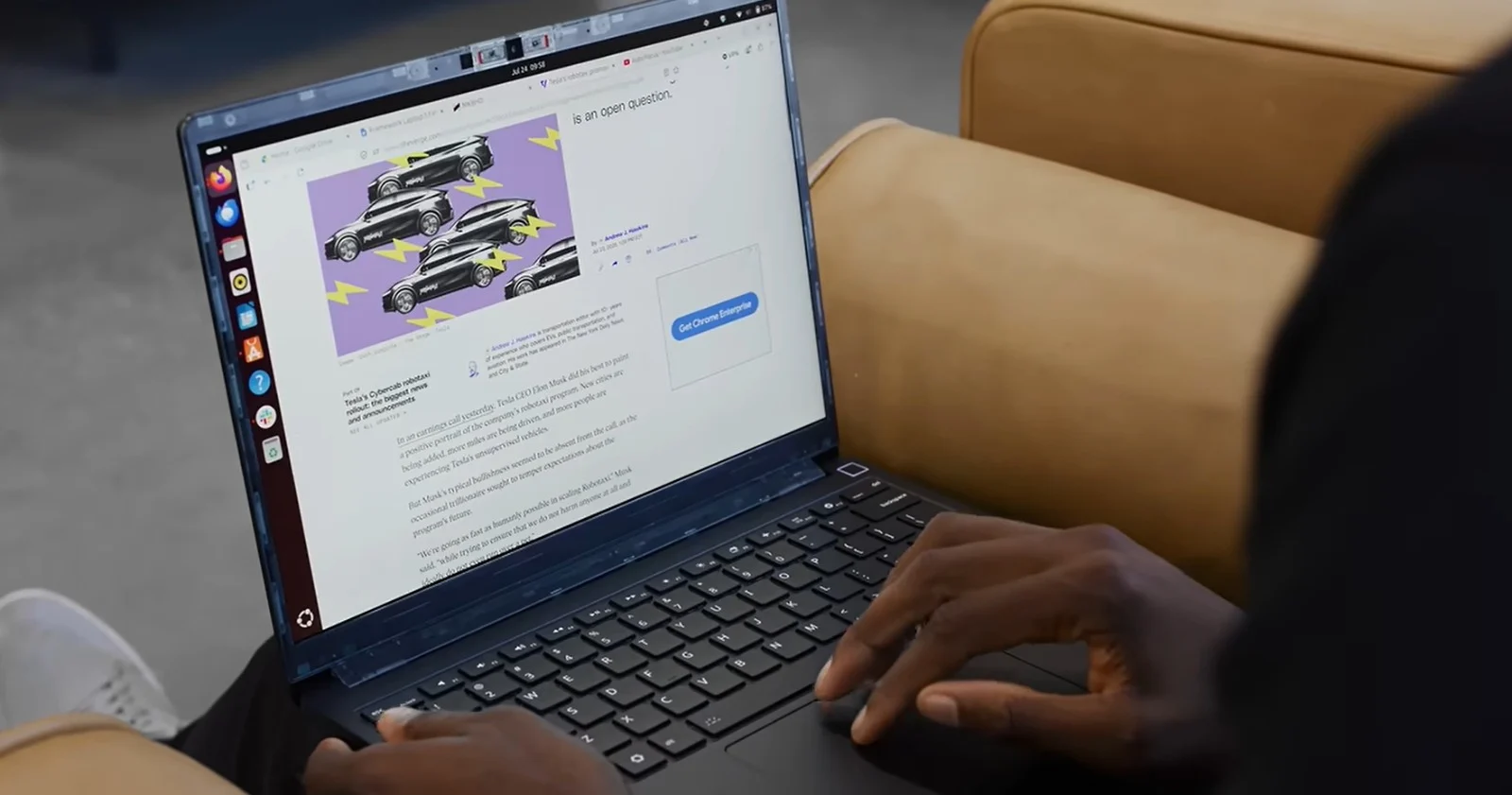
- Display: A new 13.5-inch panel with 2880×1920 resolution and 700 nits peak brightness, variable refresh rate from 30–120Hz, and a first for the 13-inch line, built-in touch support.
- Battery: 74Wh, a 21% jump over the previous generation, with Framework claiming up to 20 hours of video-playback battery life.
- Memory: LPCAMM2 modules, compact, upgradeable memory that's faster and more power-efficient than older SO-DIMM setups.
- Trackpad: A new haptic touchpad that multiple reviewers directly compared to Apple's implementation, smooth, consistent, and a clear step up from older Framework units.
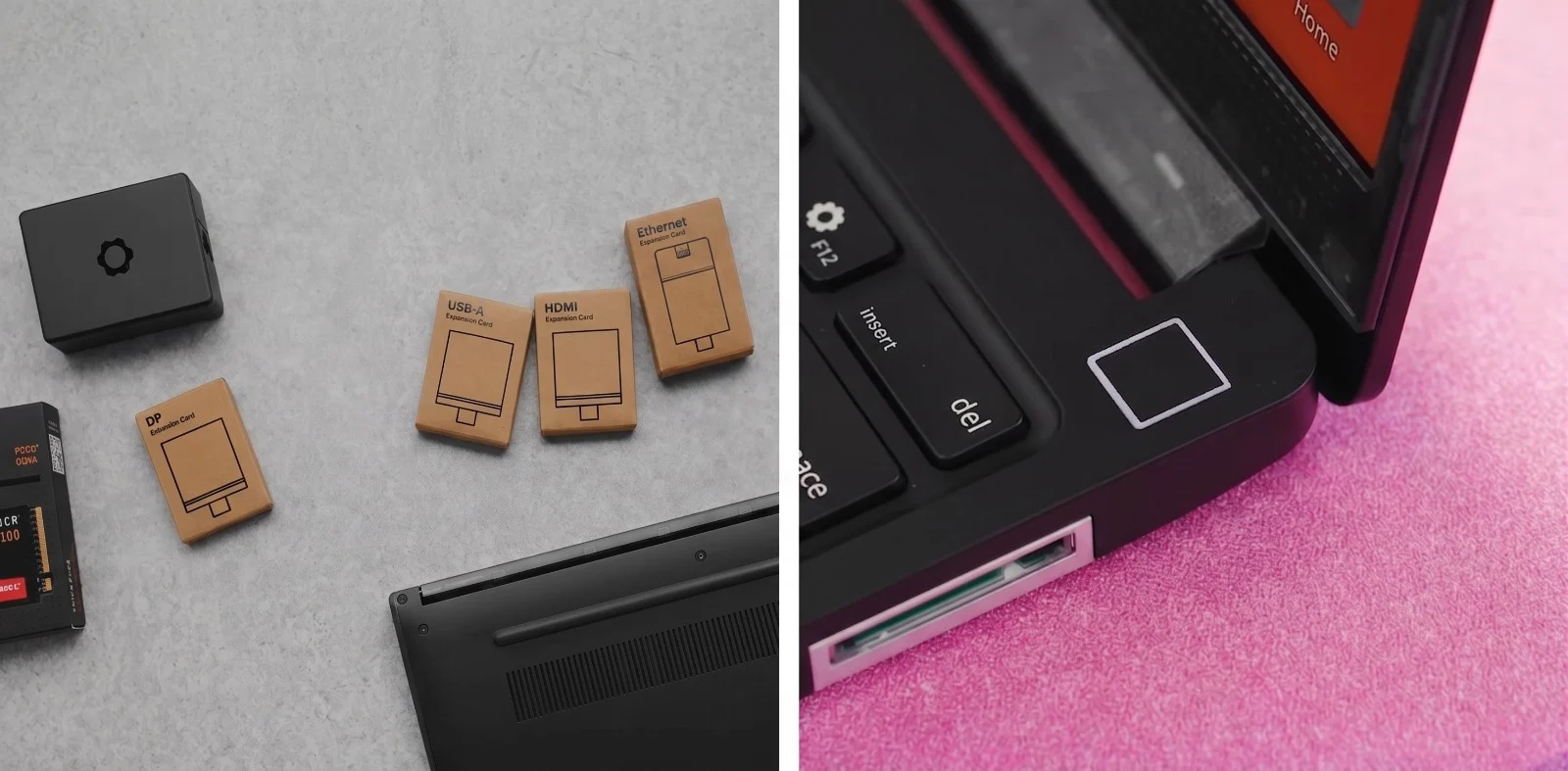
- Ports & connectivity: Still uses Framework's signature four swappable Expansion Card slots (USB-C, USB-A, HDMI, DisplayPort, Ethernet, SD card, and more). This generation adds PCIe 5.0 support and Wi-Fi 7.
💰 Pricing: The DIY Edition starts at $1,199 (chassis and mainboard only, with the option to add RAM, storage, and OS), with pre-built configurations starting around $1,499–$1,599 depending on chip choice, and AMD-based configs running higher. A fully loaded 32GB/1TB pre-built model lands closer to $2,000+. First units began shipping in June, though demand pushed later orders into August with six batches sold out within days of launch.
Framework currently does not have a direct-to-consumer retail presence in India, meaning acquiring one requires jumping through a few hoops, but for the right user, it's highly compelling. If you use a freight forwarder (like Shop & Ship) to bring this into India, standard electronics import duties and IGST will add roughly 40% to 50% to the total price. A ₹1.25 Lakh pre-built model could easily cost over ₹1.75 Lakhs after customs. The most cost-effective acquisition strategy remains the classic route: having an NRI friend or relative carry it in their luggage from the US or UK. One thing worth flagging for anyone configuring their own: in a July update, Framework confirmed that LPCAMM2 memory prices roughly doubled industry-wide, so 32GB and 64GB DIY configurations got noticeably more expensive than they were at launch. Worth checking current pricing before you build your own config.
Framework Laptop 13 (Standard): The Familiar Model Gets New Chips
Alongside the Pro, Framework also refreshed its existing, less expensive Framework Laptop 13, giving it Intel Core Ultra processor options and a display upgrade to up to 2.8K at 120Hz. It also picked up a better 9.2MP webcam, which has been a historically weak point on Framework laptops. Preorders opened with shipping starting in August.
Unlike the Pro, the standard 13 keeps the original chassis design rather than moving to the new aluminum body, so it stays the more affordable, no-frills option for people who want Framework's repairability and expansion-card system without paying for the premium redesign.
Why This Matters, Even If You're Not Buying a Framework
Framework's whole pitch, repair it yourself, upgrade the mainboard instead of buying a new laptop, keep parts out of landfills, is the same philosophy that makes refurbished laptops a smart buy in the first place. You're both betting that a laptop's value doesn't expire the day a newer model launches.
If you want new, repairable, and don't mind paying a premium for it, the Framework 13 Pro is genuinely one of the most interesting laptops released in 2026, especially for developers and Linux users.
If you want similar chips and reliability without the $1,200+ entry price, this is exactly the gap that refurbished business laptops (ThinkPads, Latitudes, EliteBooks) fill. You get proven, serviceable hardware at a fraction of the cost, just without the modular Expansion Card system.
Chip-generation news like this is also a good pricing signal. Every time Intel or AMD ships a new laptop-chip generation, the previous generation's laptops, new and used, get cheaper. Panther Lake's rollout across Framework, Lenovo, HP, and others this year is a good sign that older-generation refurbished laptops will keep getting more affordable through the rest of 2026.
Users can choose from a wide range of modular peripherals for this laptop.
Who Is It For in India?
The IT and Developer Community
With tech hubs like Bengaluru, Pune, and Hyderabad housing massive populations of software engineers, the Laptop 13 Pro is a dream machine. The 3:2 aspect ratio is perfect for reading code, the 74Wh battery survives long power cuts or commutes, and its stellar Linux compatibility makes it ideal for backend developers and open-source contributors.
The Heavy-Duty Local Repair Market
India's tech ecosystem thrives on local repair (think Nehru Place in Delhi or Lamington Road in Mumbai). A laptop designed with swappable ports, accessible schematics, and modular parts fits perfectly into the Indian ethos of "repair, don't replace." You can source a replacement screen or battery and have a local shop swap it in 15 minutes without dealing with authorized service center markups.
Want Reliable, Serviceable Hardware Today?
Browse EazyPC's certified refurbished ThinkPads, Latitudes, and EliteBooks, proven business hardware at a fraction of the cost.
Shop Refurbished Laptops →Frequently Asked Questions
What is the Framework Laptop 13 Pro?
The Framework Laptop 13 Pro is a repairable, modular laptop launched by Framework in April 2026, featuring a new CNC-machined aluminum chassis, Intel Core Ultra Series 3 (Panther Lake) or AMD Ryzen AI processors, and swappable Expansion Card ports.
What's the difference between the Framework Laptop 13 and 13 Pro?
The 13 Pro uses a new aluminum chassis, a 2880×1920 touch display, LPCAMM2 memory, and a haptic touchpad. The standard Framework Laptop 13 keeps the original chassis but adds Intel Core Ultra chips and a display upgrade of up to 2.8K at 120Hz.
How much does the Framework Laptop 13 Pro cost?
The Framework Laptop 13 Pro starts at $1,199 for the DIY Edition, with pre-built configurations starting around $1,499–$1,599 depending on processor and memory choice.
How long does the Framework Laptop 13 Pro's battery last?
Framework claims up to 20 hours of video playback on the 13 Pro's 74Wh battery, a 21% capacity increase over the previous generation.


