📋 Summary
If you need a laptop within the next six months, buy now. IDC, Samsung and SK Hynix all expect the memory shortage to last through 2027, and major laptop makers have reportedly raised prices by 15% to 30%. If your current laptop still works well, wait and revisit in the second half of 2027.
Key takeaways
Prices have already jumped
Dell, Lenovo, Acer and ASUS have reportedly raised laptop prices by 15% to 30%.
The cause is memory, not processors
AI data centers are absorbing chip capacity, and memory now makes up about 35% of a PC’s component cost, according to HP.
No relief before late 2027
IDC says it sees none before the end of 2027, and Samsung says the shortage could reach into 2028.
2027 could be worse than 2026
SK Hynix and Silicon Motion both warn the shortage may intensify next year.
Waiting costs money for most buyers
The exceptions are people whose laptops still work well and who have no deadline.
Why are laptop prices rising in 2026?
Laptop prices are rising because memory chips have become scarce and expensive. AI data centers are buying huge volumes of high-bandwidth memory (HBM), which leaves less standard DRAM and NAND for consumer laptops. Manufacturers are passing the higher costs on to buyers.
The evidence is consistent:
- The cheapest 32GB DDR5 kit reached about ₹41,700 in mid-June 2026, compared with roughly ₹7,600 to ₹11,400 for similar kits a year earlier.
- HP told investors memory now makes up about 35 percent of a PC’s component cost, up from 15 to 18 percent two quarters earlier.
- Dell, Lenovo, Acer and ASUS have reportedly raised prices by 15% to 30%, so a ₹85,500 midrange laptop can now exceed ₹114,000.
- Apple raised pricing on most of its hardware in June 2026, largely because of the memory shortage.
What is causing the memory chip shortage?
The memory shortage is a supply imbalance. Samsung, SK Hynix and Micron control about 90% of the world’s DRAM, and they have shifted capacity toward HBM for AI accelerators because margins are highest there. Nearly all new capital spending is going to HBM lines, so ordinary laptop memory gets what is left over.
🍳 Think of it as a kitchen with a fixed number of burners. AI customers ordered the most profitable dish, and everyone else waited.
The shortage cannot be fixed quickly. New semiconductor factories take several years to build, equip and qualify, and almost none of the new capacity arrives before 2027, with much of it not until 2028. Current expansion plans cover only about 60% of demand by the end of 2027. TrendForce estimates HBM will take about 30 percent of DRAM wafer starts in 2027.
Suppliers also have little reason to flood the market. Tight supply keeps margins high, and the industry remembers the gluts of earlier cycles.
When will laptop prices come down?
Most forecasts point to late 2027 or 2028 for meaningful relief, and laptop prices may fall more slowly than memory prices. The table summarizes what industry voices are saying.
| Who |
Outlook |
| IDC |
No relief before the end of 2027; prices keep rising and PC makers struggle to keep full product lines. |
| Samsung (memory division) |
Shortage runs through 2027 and possibly into 2028 (reported July 2026). |
| SK Hynix CEO |
Could get more severe in 2027 and continue beyond 2030 as AI demand outruns supply. |
| SK Group chairman |
Supply is unlikely to fully meet demand until around 2030, since new wafer capacity takes four to five years. |
| Silicon Motion CEO |
2027 worse than 2026 for DRAM and NAND; DRAM eases late 2027 to 2028, NAND stays tight. |
| Acer CEO |
Prices rise in Q4 2026 (up to about 20%), then fall from mid-2027; a shortage by 2030 is “impossible”. |
| Asus (technical marketing) |
Shortage should start to normalize in 2027, but no brand wants to cut prices first. |
🔍 Our read: the realistic window for relief is late 2027 into 2028, and full pre-shortage prices may never return. Asus has noted that some manufacturers may hesitate to go back to earlier price levels once higher prices become normal.
Will laptop prices keep rising in 2027?
Yes, according to most forecasts, laptop prices are more likely to stay high or rise through 2027 than to fall. Memory costs are now the biggest cost driver in a laptop, and several suppliers say supply will tighten further before it improves.
- SK Hynix’s CEO has warned the shortage could become more severe in 2027.
- Silicon Motion’s CEO said 2027 will be more severe than 2026 for both DRAM and NAND.
- Goldman Sachs forecasts Samsung’s average selling prices will rise another 27 percent in 2027, with a 3.6 percent undersupply persisting.
The long run: DRAM should get easier from late 2027 into 2028 as new fabs ramp. Micron expects its first new Idaho factory to start producing wafers in mid-2027. There are three catches:
- Relief arrives gradually. Fabs ramp slowly, so supply improves slowly.
- Laptops are not the priority. Most new capacity targets server DRAM and HBM.
- Storage lags. NAND stays tight even as DRAM eases, so SSD prices may not snap back.
Some analysts also warn of an eventual glut once capacity lands, which is what normally brings prices down in this industry.
Is now a good time to buy a laptop?
For most people who need a laptop soon, yes. “Good” here means less bad than the likely alternative, not cheap. Prices are more likely to rise than fall over the next 12 months, and configurations with 16GB or 32GB of RAM are still on shelves.
- Prices are trending up. Even Acer’s optimistic CEO expects PC prices to rise in Q4, by up to 20% on average, before any fall in mid-2027.
- Configurations may disappear. IDC warns manufacturers will struggle to maintain full product portfolios.
- Specs may shrink. The shortage may push makers back toward 8GB laptops, so buying now lets you lock in the RAM you will want for years.
- Waiting has a hidden cost. A slow or failing laptop costs productivity every month.
- The next big thing is not dramatically better. Recent chip gains are incremental, and new launches are hit by memory costs too.
- Laptops hold value. If prices fall in 2028, you will not have lost much on a machine you used happily for two years.
Who should buy now, and who should wait?
Buy now if…
- Your current laptop is failing. Crashes, a dying battery or software that will not run all cost you time.
- You need more RAM. Memory carries the steepest premium and is most exposed to further increases.
- You are buying for school or work this year. A tool you need now beats a speculative saving later.
- You find a discounted current-generation model. Retailers clearing older stock can offer the best prices.
Wait if…
- Your laptop still works fine. Fix what is annoying, such as a new battery, an SSD swap or a fresh OS install, and hold on.
- You want a rumored feature. Do not pay a shortage premium for a feature you do not specifically need.
- You are a light user with no deadline. A refurbished or open-box unit can bridge the gap.
Should you wait for the OLED MacBook Pro or M6?
Wait only if you specifically want the OLED touchscreen. The OLED MacBook Pro is reported to use M5 Pro and M5 Max chips in a new design at a higher price, and Bloomberg’s Mark Gurman expects a late 2026 to early 2027 arrival, with the later window now more likely because of the memory shortage.
Apple’s fall launch has reportedly landed. One retailer listing says Apple announced an M6 MacBook Pro at about ₹190,000, releasing on November 6. That detail comes from a retailer page, so confirm specs and pricing on Apple’s site. Reports also say there is no M6 Pro or M6 Max, so Pro and Max buyers are choosing between existing generations.
How to buy a laptop during a memory shortage
- Spend on what you cannot upgrade. Many laptops solder the RAM to the board. Decide how much you need for the next four to five years and lean toward more.
- Consider last year’s models. A previous-generation machine with the right RAM and storage often beats a new one with less.
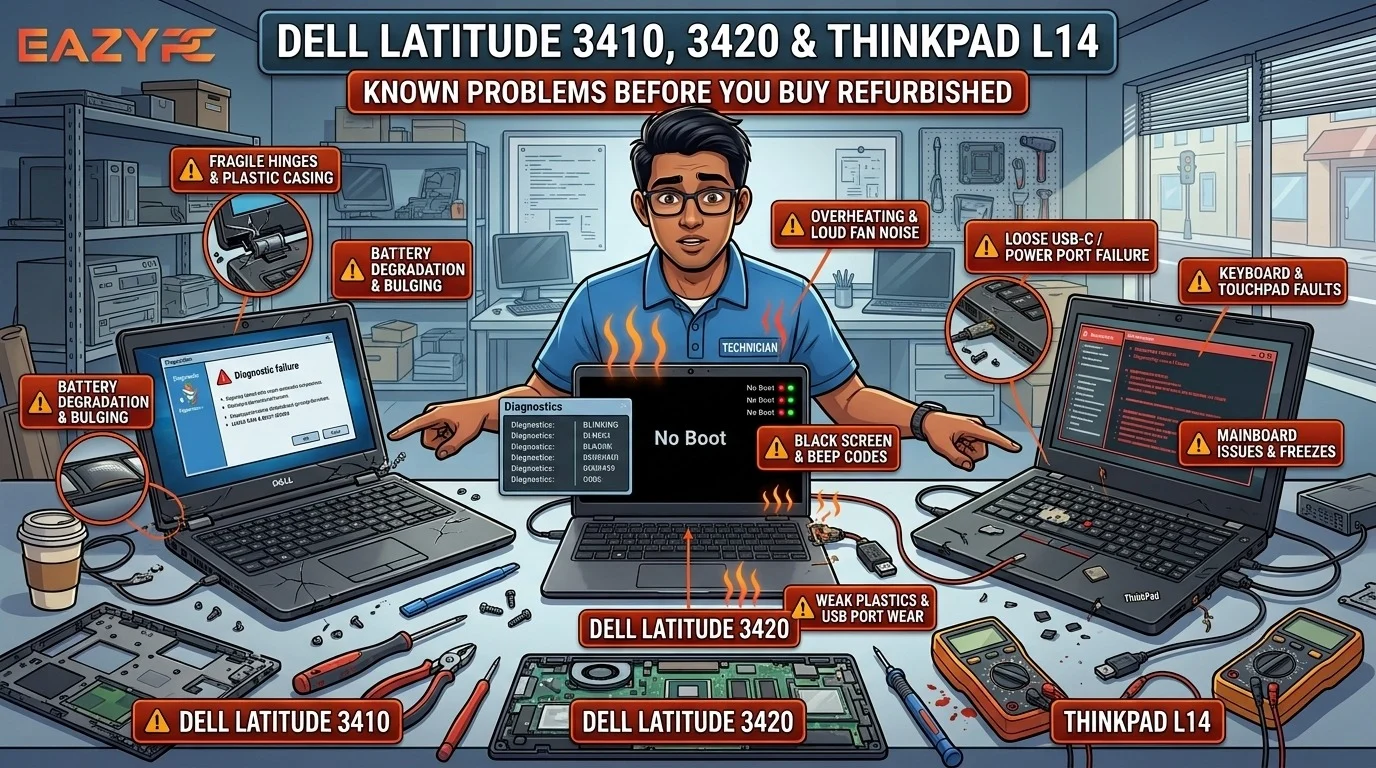
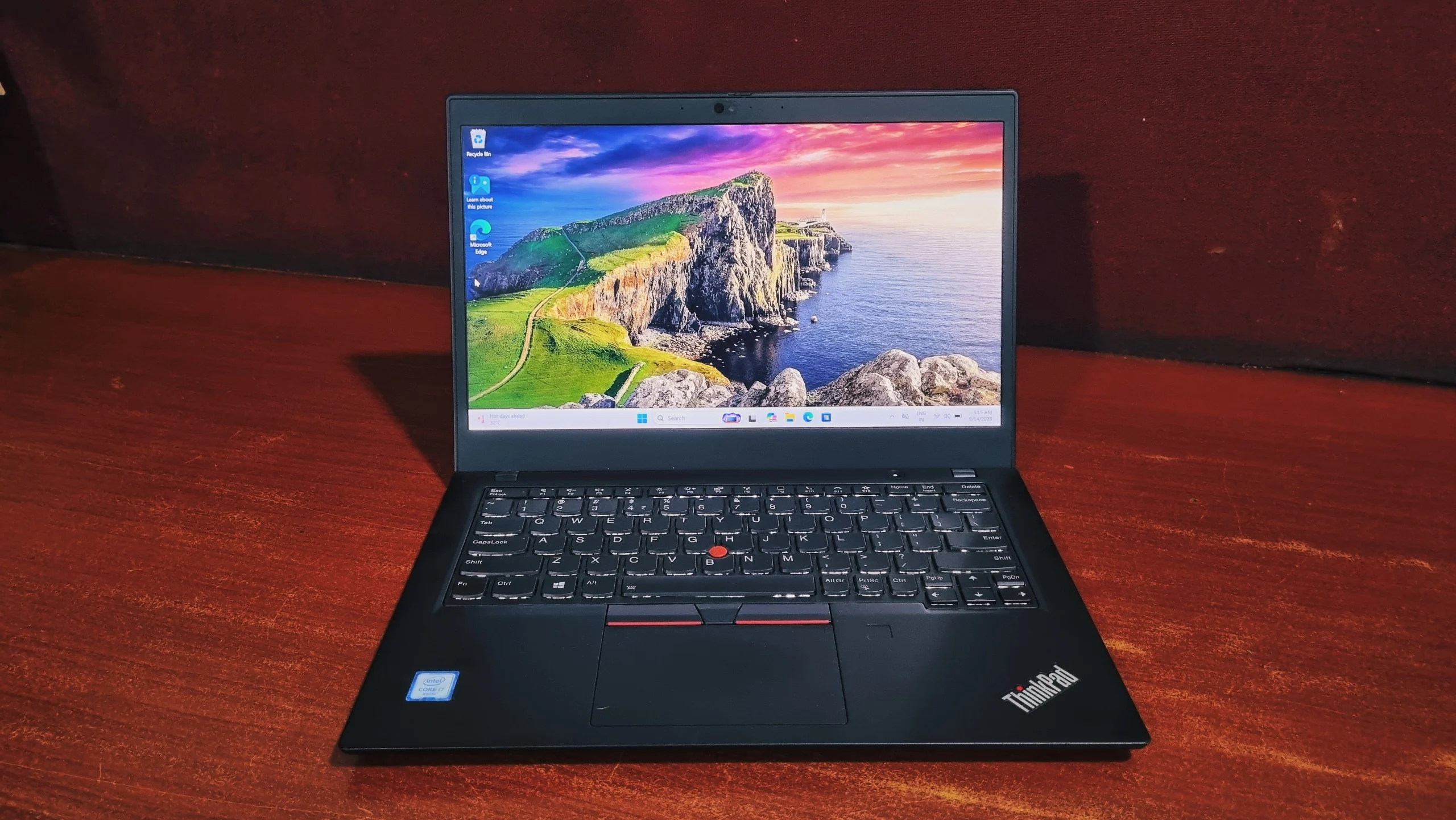
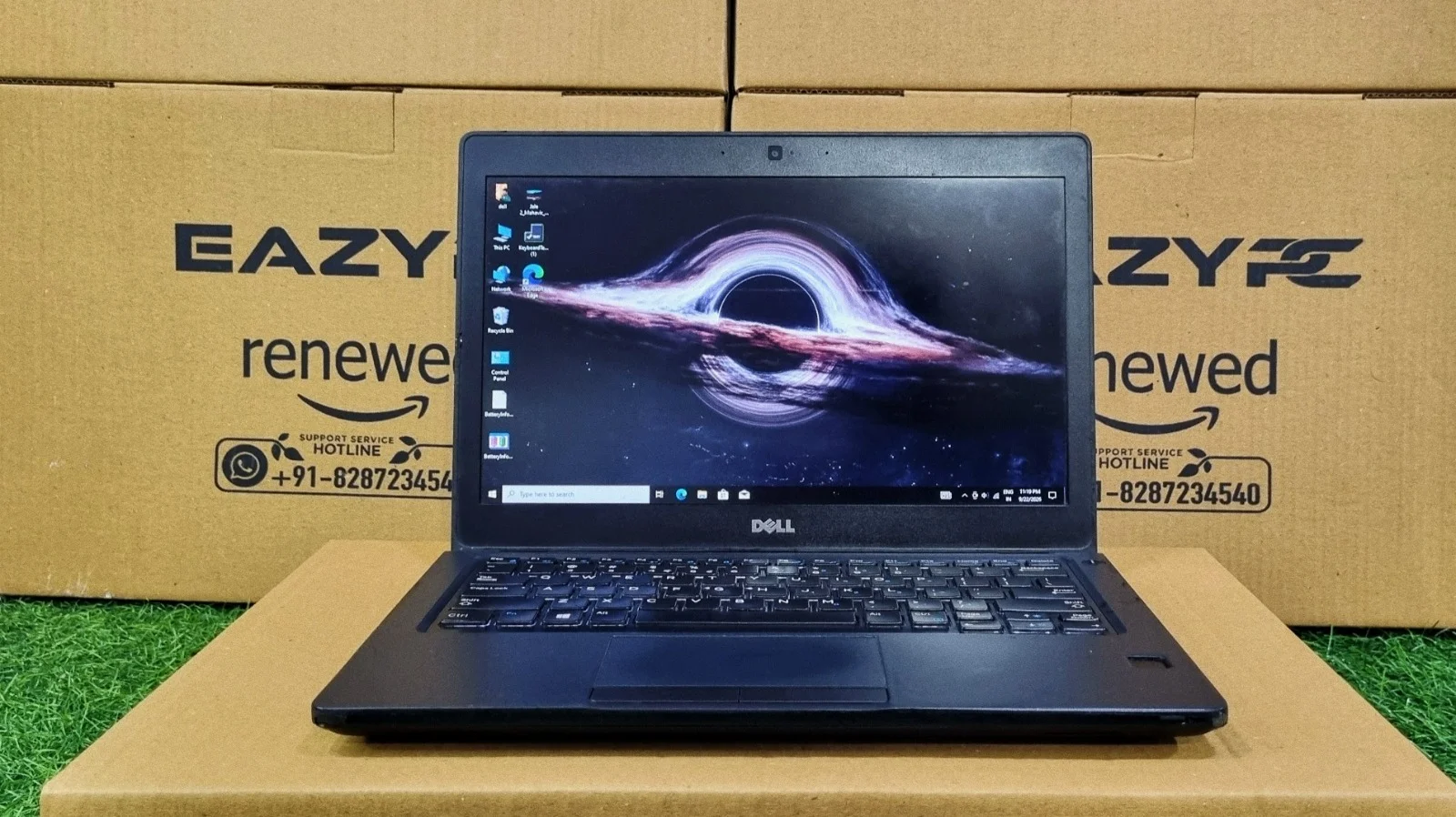
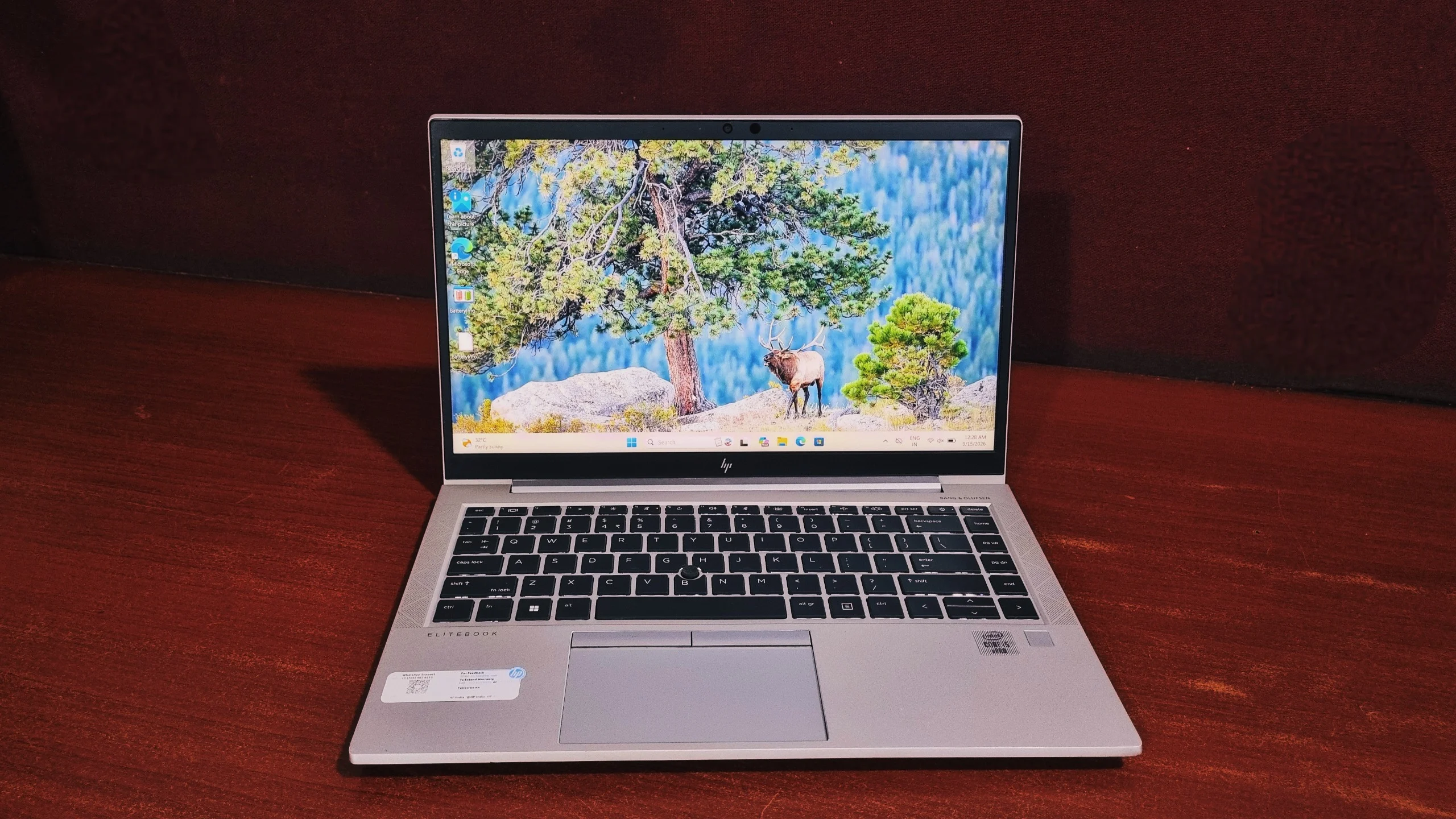
- Consider refurbished. Certified refurbished business laptops are a long-standing value pick.
- Skip specs you will not use. An expensive GPU or top-tier screen is wasted on document and video-call work.
- Check the return window. Prices are volatile, so a clearly better price within the return period may be worth acting on.
- Watch the sales calendar. Black Friday is weeks away. Discounts may be thinner than usual, but last-generation stock is where bargains tend to be.
Frequently asked questions
Should I buy a laptop now or wait until 2027?
If you need a laptop within the next six months, buy now. IDC says it sees no relief from the memory shortage before the end of 2027, and laptop makers have already raised prices. If your current laptop still works well, you can wait and revisit in the second half of 2027.
Will laptop prices go down in 2027?
Probably not in the first half. Acer’s CEO expects PC prices to fall from mid-2027, but IDC, Samsung and SK Hynix expect the shortage to persist through 2027 and possibly longer. Even when memory costs ease, laptop makers may be slow to cut prices.
Why are laptop prices going up in 2026?
AI data centers are consuming memory-chip capacity, which leaves less ordinary DRAM and NAND for laptops. Memory prices have surged, and HP says memory now makes up about 35 percent of a PC’s component cost, so manufacturers are passing the increase on to buyers.
How much have laptop prices increased?
Dell, Lenovo, Acer and ASUS have reportedly raised laptop prices by 15% to 30%. A midrange laptop that cost around ₹85,500 can now cost more than ₹114,000. Apple also raised prices on most of its hardware in June 2026.
When will the RAM shortage end?
Forecasts range from late 2027 to around 2030. Samsung says the shortage could last through 2027 and possibly into 2028, while SK Group’s chairman says supply may not fully meet demand until about 2030. New memory factories mostly arrive from 2027 to 2028.
How much RAM should I buy in a laptop right now?
For most people, 16GB is a sensible minimum, and 32GB suits video editing, software development and heavy multitasking. Many laptops solder their memory to the board, so you cannot add more later. Reports suggest some makers may return to 8GB models to hold prices down.
Is a refurbished laptop a good idea during the shortage?
Yes, for many buyers. Certified refurbished business laptops such as ThinkPads, Latitudes and EliteBooks have long offered good value, and they avoid some of the pricing pressure on brand-new models. Check the warranty, battery health and return policy before you buy.
Should I wait for the OLED MacBook Pro?
Only if you specifically want the OLED touchscreen. It is reportedly using M5 Pro and M5 Max chips, the same chips available today, in a new design at a higher price, and its launch may slip into 2027. Apple’s base M6 MacBook Pro has reportedly been announced at about ₹190,000.
The bottom line
The Bottom Line
In normal years, waiting is free. Right now, it carries a real risk, because most forecasts say prices are more likely to stay high or climb through 2027 than to fall soon. The optimistic case, mid-2027 relief, comes from a company that sells laptops.
Need a laptop within six months? Buy now, and buy the memory you will want in 2030.
Current laptop still doing the job? Wait, and revisit in the second half of 2027 to see whether new fabs are easing supply.